Español
 Pусский



Operating Limits:
Pressure:≤1.6 Mpa
Temperature:-10° C to 200° C
Speed:≤5 m/s
Material Combinations :
Rotary faces:Carbon, SIC,TC
Stat seat:SIC,TC
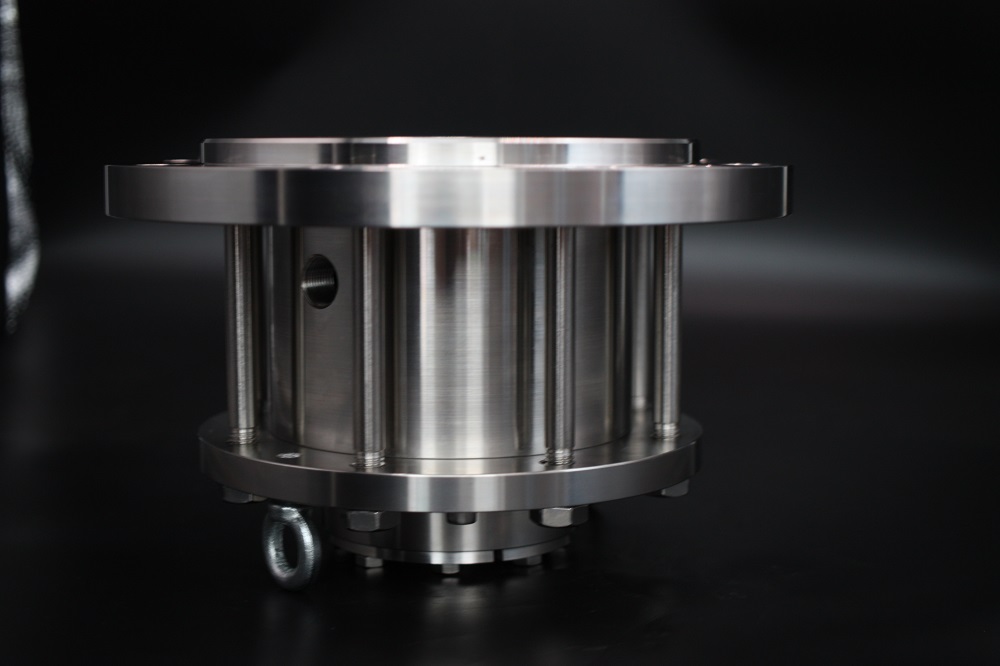
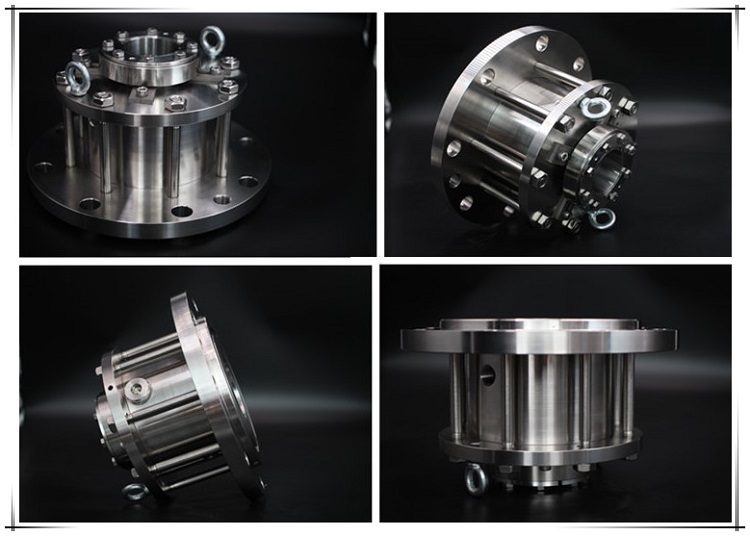
AS-A20MD double cartridge mechanical Seal is unbalanced,multiple spring design,liquid-lubricated double seal to replace Burgmann M481K-D dual seal in cartridge form. We still have their Variants AS-A20ML with integrated floating bearing to replace Burgmann M481KL seal & AS-A20M single cartridge mechanical seal to replace Burgmann M481K single seal in cassette form. The AS-A20MD and its variants will remain closed even during pressure variations or pressure reversal.
About Us:

Background Knowledge:
What is the typical structures and installation precautions of mechanical seals for agitators
Mechanical seals for agitators generally have the following typical structures: 1. Non-cartridge single-end face type; 2. Single-end face cartridge type; 3. Single cartridge with bearing type; 4. Double cartridge type; 5. Double cartridge with bearing type; 6. Radial double end ty pe; 7. Bottom entry & side entry cartridge types types; 8. Belt Short axis integrated cartridge type. So what are the precautions for their installations respectively?
Precautions for installation of mechanical seal for kettle (1)
After the vertical container is installed, first calibrate the level of the container mouth and make sure that the foundation is stable;
2. Check the radial runout of the stirring shaft in the sealing part before installing the mechanical seal: the steel reactor is less than"d/100mm; the radial runout of the glass-lined reactor is less than"d/30mm; the axial runout of the stirring shaft is less than 0.5mm;
3. The tolerance of the stirring shaft is h8 (h9 for glass-lined stirring), and the surface roughness is ≤1.6μm (subject to the latest standard)
4. The transition chamfer of the stirring shaft end must be checked before the mechanical seal is installed on the agitator body: generally 3×20° and a smooth transition should be made.
Precautions for installation of mechanical seal for kettle (2)
1. The non-cartridge single-end mechanical seal is installed step by step according to the steps in the instruction manual;
2. Do a static pressure test for the double mechanical seal first. The test pressure is the design pressure. The test medium is oil or water. After holding the pressure for 30 minutes, the average leakage is less than 5ml/h, and the mechanical seal can be installed;
3. Apply a small amount of grease on the outside of the shaft or sleeve where the mechanical seal is installed, install the mechanical seal on the stirring shaft, pull out the shaft by about 50mm, and wipe off the grease on the locking chuck;
4. Install the frame, coupling, motor reducer and other transmission components of the mechanical seals in order, and confirm that the matching and positioning meet the design standards;
5. Then lock the positioning screw connecting the lower part of the mechanical seal to the agitator mouth, (use a special tool if the gasket has a locking force standard to meet the requirements), fix the locking chuck on the upper part of the mechanical seal, and finally remove the positioning card on the upper part of the mechanical seal;
6. For mechanical seals without auxiliary devices, open the sealing liquid port and fill it up with sealing liquid, then plug it up. (Clean glycerin, engine oil, pure water, etc. are generally used for the sealing liquid.) If the sealing liquid uses medium, it should be clearly specified when ordering. It can only be used when the influence of the medium has to be considered ;
7. The operating pressure without auxiliary devices is ≤0.3MPa (except for bidirectional balanced mechanical seals); and the sealing liquid needs to be filled regularly when the machine is stopped and there is no pressure in the agitator.
8. If there is an auxiliary device, regarding personnel connect all the pipelines between the mechanical seal and the auxiliary device according to the schematic diagram of the pipeline connection;
Send Message
Related Products