Español
 Pусский


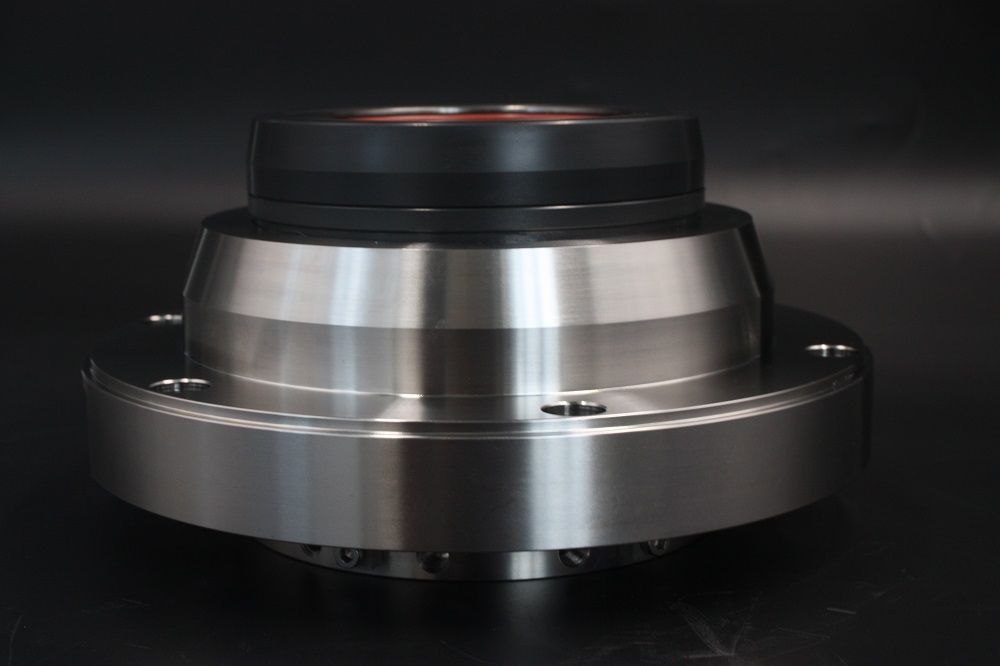
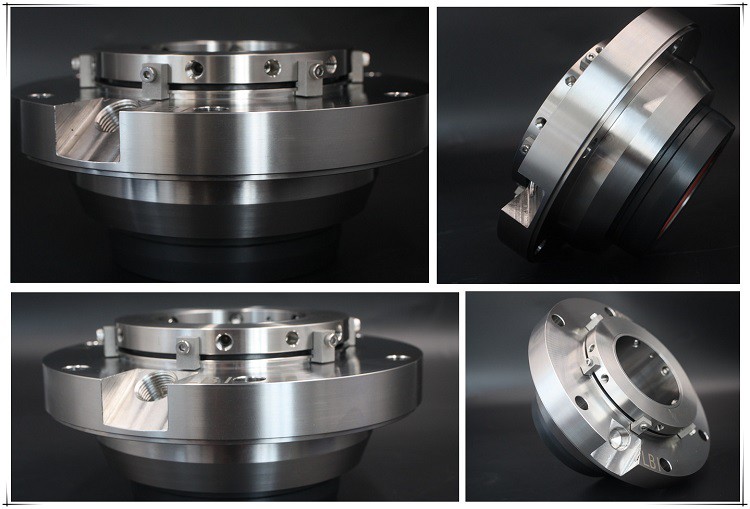
AS-C6200 seal is dual, balanced, multi-spring, pusher cartridge slurry seal to replace Flowserve 6200 seal in SLM seals series of self-contained cartridge seals designed for reliable performance in most slurry services.
Benefits:
This seal is engineered to operate with no outside flush liquid to eliminate product dilution for better chemical stability.
This seal is designed to raise plant efficiency and decrease operating expenses of complicated packing or seal water support systems.
Cartridge seal structure makes its installation and operation easier.
This seal permits equipment impeller-to-casing clearance adjustments without the need to make modifications to the seal setting.
Operating Limits:
Up to 17.2 bar (250 psi), -18 to 79°C (175°F), up to 23 m/s (75 fps)
Recommeded Applications:
Mining
Chemicals
Water
Oil & Gas
Power
About Us:
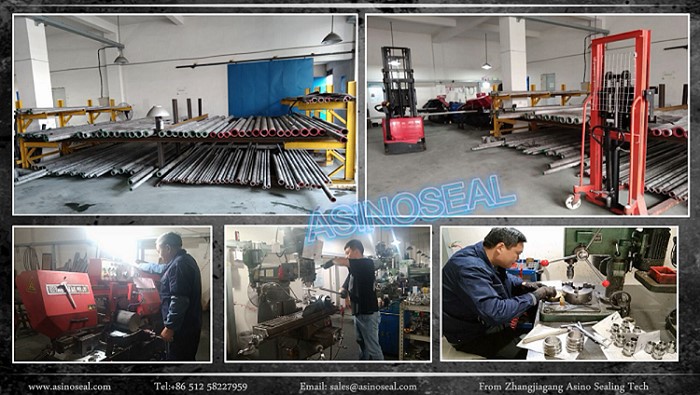
Asinoseal is a reliable source of high quality mechanical seals. We focused on OEM design seals. Our mechanical seal types are wide ranged, including both single and double mechanical seals. All of our products are designed according to API682 flushing scheme. In addition to product excellent performance, many value-added services are provided, like 24 hours feedback service which means our sales team is required to reply you within 24 hours for any inquiry, technical support service and on-site service.
Background Knowledge:
Common performance parameters to characterize the friction characteristics of mechanical seal faces
The friction characteristics of the mechanical seal end face are the key factors that determine the working life and sealing performance of the mechanical seal. The performance parameters directly related to the end face friction characteristics of mechanical seals mainly include end face friction torque, end face wear amount, end face temperature, end face fluid film thickness and film pressure.
1.1,End face friction torque
The end face friction torque determines the friction power consumption, end face wear amount, friction heat generation,end face temperature and other working parameters during operation of the mechanical seal. The end face friction torque reflects the end face condition of mechanical seal. If it is large, the wear is relatively increased and the working life is shortened.
1.2, End face wear
The wear amount refers to the wear value of the seal end face in the axial length after the mechanical seal operates for a certain period of time. The wear of the end face of the friction pair of the mechanical seal is the inevitable result of friction during operation, and it is also the main failure form of the mechanical seal. Therefore, the end face wear is an important factor affecting the normal working life of the mechanical seal.
1.3, End face temperature
During the operation of the mechanical seal, heat will be generated due to the friction of the end face and the stirring of the rotating elements, which will increase the temperature of the friction pair and other components. In addition to that,temperatures rise during some process conditions of use which will aggravate this condition. For example, if the temperature of the end face of the friction pair rises to a certain extent, the sealing medium between the sealing surfaces will be vaporized, the sealing ring will be deformed, and the thermal wear will even cause thermal shock and thermal cracking due to temperature changes.
1.4, End face fluid film thickness
The fluid film thickness of the mechanical seal end face represents the friction state of the friction pair, which directly affects the end face leakage rate and wear amount of the mechanical seal, and is also an important parameter to determine the end face friction heat generation. When the thickness of the liquid film on the end face of a typical mechanical seal is 0.3 to 3 μm, a good state of little leakage plus a long working life and little wear of the mechanical seal will turn up.
1.5,End face fluid film pressure
For mechanical seals of contact type, the end film pressure not only characterizes the liquid film carrying capacity, but also determines the friction state and sealing performance of the sealing end face. The research on the end face film pressure can help further understand the end face friction characteristics of the mechanical seal.
Send Message
Related Products