Español
 Pусский


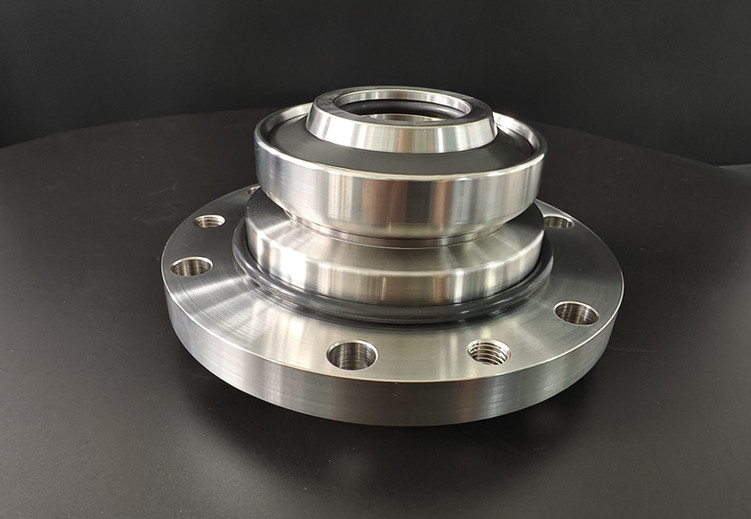
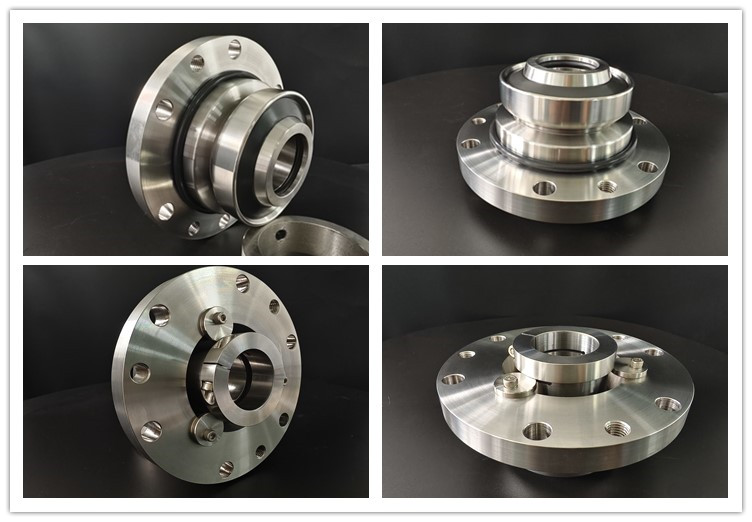
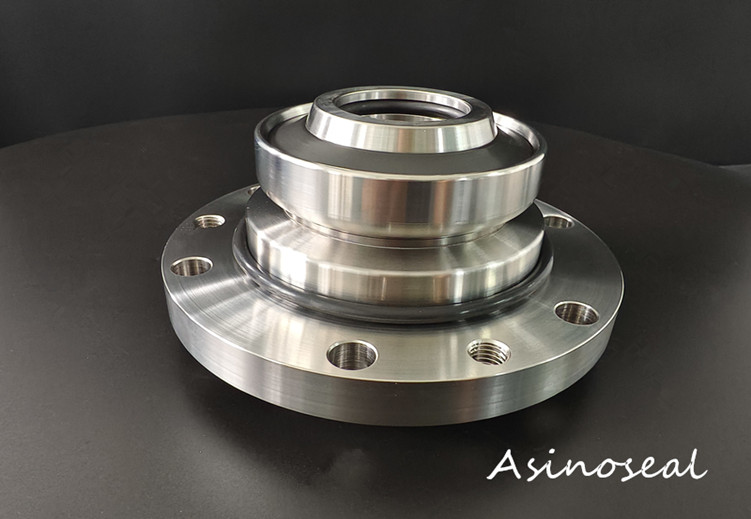
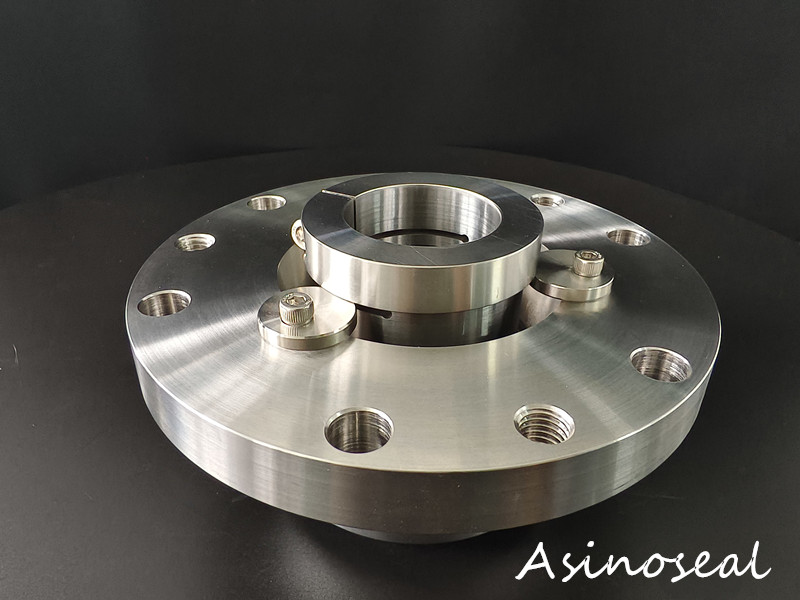
AS-C497 cartridge seal is customized singleseal that made as per client drawing.
Structure Features:
Model : | AS-C497 | Type: | Single seal |
Structure: | Others | Shaft size: | 45mm |
Combined Materials :
Rotary face material: | TC | Stationary face material: | TC |
Spring material: | SS304 | Secondary seal: | Viton |
Metal parts: | SS304 | Other: |
About us:
FAQ:
Question 1: Are you a factory or a trade company?
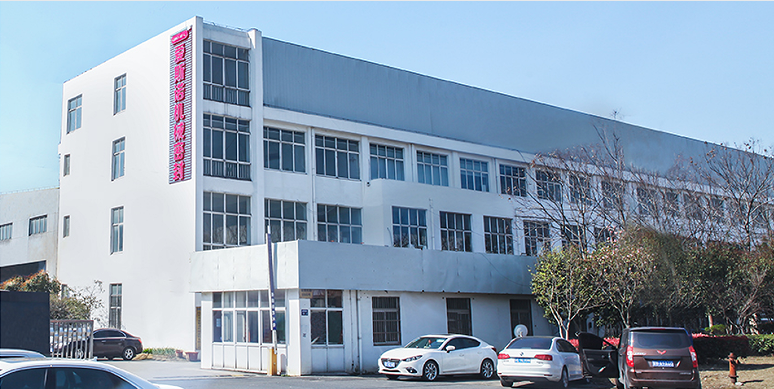
Asinoseal : We are a factory with 3000㎡area with over 40 workers.
Question 2: Where is your factory located? How can I go there?
Asinoseal: Our factory is located in Zhangjiagang City,Suzhou, near Shanghai .
Question 3 How can I trust your quality?
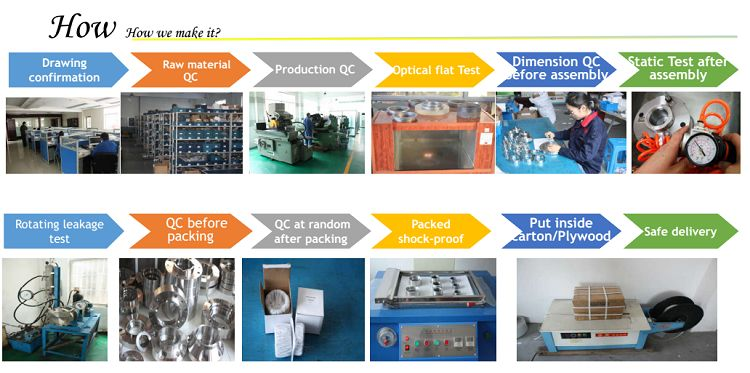
Asinoseal: Our company passed ISO9001:2008,and strictly follow this standard,we have strict QC from raw material QC to QC before shipping to ensure our quality. Quality lists always first in our company.
Question 4: When can I get my order after placing it?
Asinoseal: For stock one,3-7 days, non-standard one 30-35 days
Question 5: What's payment term?
Asinoseal: For first cooperation,it has to be 100% before production,but for long-term cooperation,it could be adjusted
Question 6: Can you make mechanical seals according to our drawing?
Asinoseal: Absolutely yes,that's our advantage
Question 7: What's your company's advantage product?
Asinoseal : Agitator seals,cartridge seals and metal bellow seals,we always have good price and quality
Background:
Mechanical seals used in the chemical industry are currently the most mainstream sealing form for chemical pumps, with the core advantages of low leakage and long service life. They achieve sealing through precise fitting of the dynamic and static rings, and are widely applicable to complex working conditions such as high and low temperature, high pressure, and corrosiveness.
1. Background and core position
Since its industrial application in 1900, mechanical seals have gradually replaced traditional packing seals and become the preferred sealing solution for chemical pumps. Its core advantage lies in solving the inherent defects of packing seals, such as large leakage, severe shaft wear, and high power consumption. In chemical production, mechanical seals can effectively prevent the leakage of toxic, flammable, and corrosive media, ensuring equipment safety and environmental compliance.
2. Key components and working principles
Mechanical seals consist of moving rings, stationary rings, elastic compensation mechanisms (such as springs), sealing rings, and other components.
3. Working principle: The moving ring rotates with the shaft, and the stationary ring is fixed to the pump body. Under the combined action of spring elasticity and medium pressure, the two sealing end faces are tightly fitted, forming a sealing barrier with a micrometer level gap to prevent medium leakage.
4. Typical applications and advantages in the chemical industry
Characteristics/Comparative Items: Mechanical Seals, Traditional Packing Seals
Very low leakage (zero leakage or trace) and large leakage
Long service life (months to years), short (weeks to replace)
No impact on the shaft, easy to wear shaft
Applicable working conditions: high and low temperature, high pressure, corrosive media. Only applicable to low pressure, non corrosive media
(Additional explanation) There are various structural forms of mechanical seals, including single end/double end, container/bulk, etc., which can be flexibly selected according to the toxicity and pressure level of the medium.
5. Selection and maintenance points
Selection criteria: It is necessary to comprehensively consider the characteristics of the medium (corrosiveness, viscosity), temperature, pressure, and speed. For example, for highly corrosive media, corrugated tube mechanical seals can be selected.
Maintenance key: Regularly check the wear of the sealing surface to ensure that the auxiliary sealing ring (such as O-ring) is not aging, and to avoid poor fitting of the end face due to installation deviation.If you want to view other products,pls see this website & www.aefluidtec.com/
Send Message
Related Products