Español
 Pусский


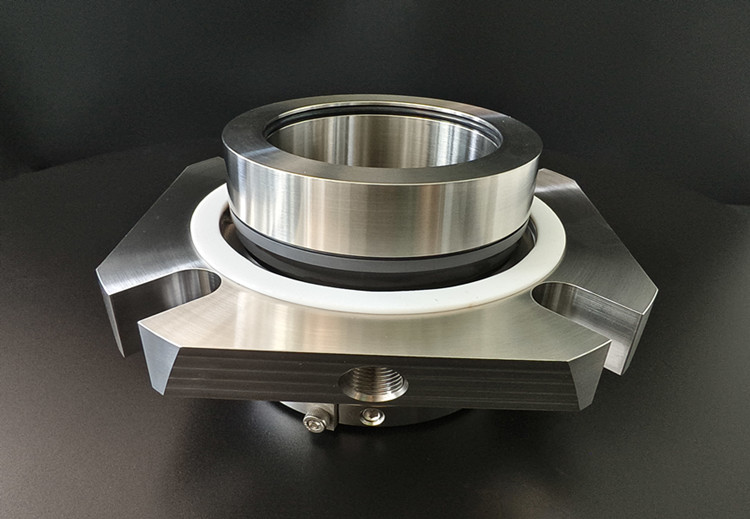
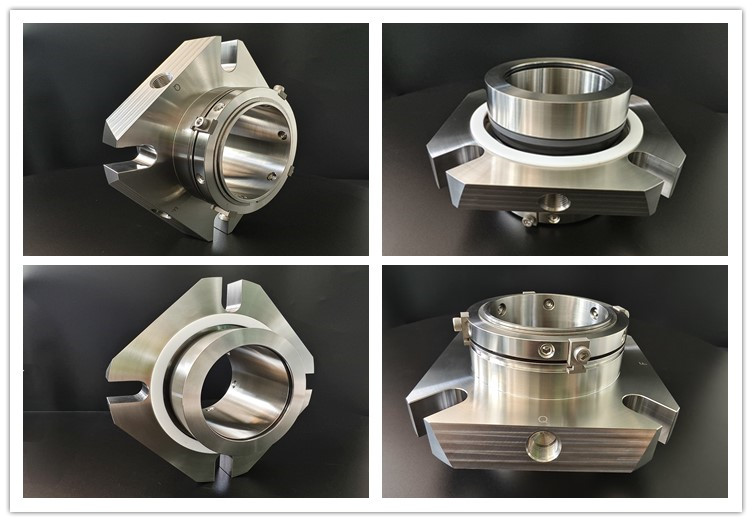
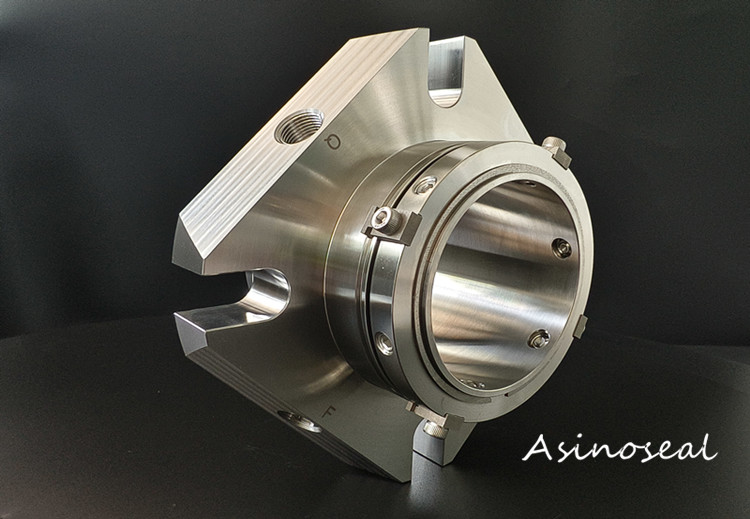
AS-C494 cartridge seal is single seal with multiple spring that can replace the Cartex -QN.
Structure Features:
Model : | AS-C494 | Type: | Single seal |
Structure: | Multiple spring | Shaft size: | 80mm |
Combined Materials :
Rotary face material: | SIC | Stationary face material: | CAR |
Spring material: | SS316 | Secondary seal: | EPDM |
Metal parts: | SS316 | Other: |
About us :
FAQ:
Question 1: Are you a factory or a trade company?
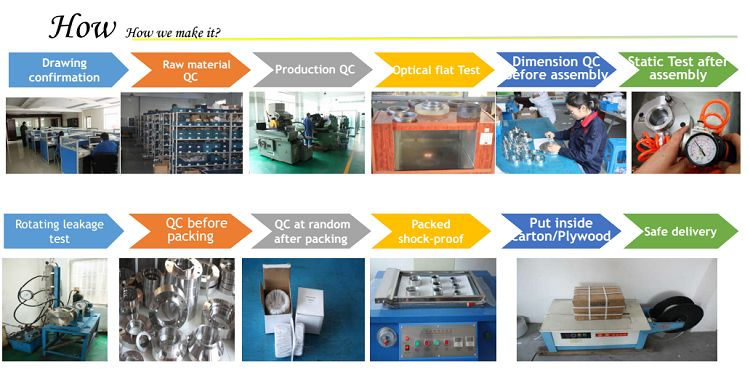
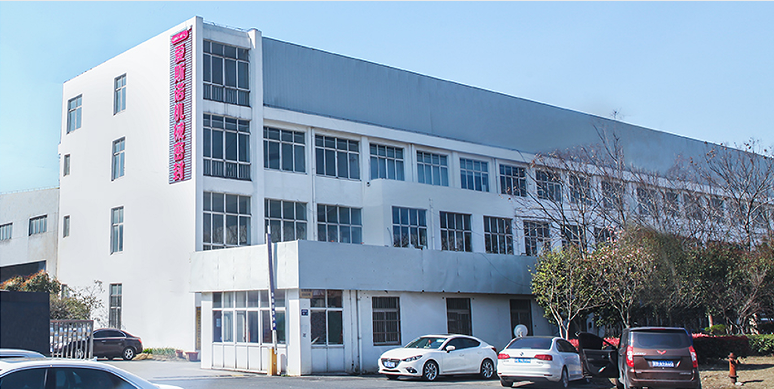
Asinoseal : We are a factory with 3000㎡area with over 40 workers
Asinoseal : We are a factory with 3000㎡area with over 40 workers
Question 2: Where is your factory located? How can I go there?
Asinoseal: Our factory is located in Zhangjiagang City,Suzhou,normally customer will come from Pudong Airport in Shanghai,we’ll pick you up there from shanghai to our factory
Asinoseal: Our factory is located in Zhangjiagang City,Suzhou,normally customer will come from Pudong Airport in Shanghai,we’ll pick you up there from shanghai to our factory
Question 3 How can I trust your quality?
Asinoseal: Our company passed ISO9001:2008,and strictly follow this standard,we have strict QC from raw material QC to QC before shipping to ensure our quality. Quality lists always first in our company.
Asinoseal: Our company passed ISO9001:2008,and strictly follow this standard,we have strict QC from raw material QC to QC before shipping to ensure our quality. Quality lists always first in our company.
Question 4: When can I get my order after placing it?
Asinoseal: for stock one,3-7 days, non-standard one 25-30 days
Asinoseal: for stock one,3-7 days, non-standard one 25-30 days
Question 5: What’s payment term?
Asinoseal: First first cooperation,it has to be 100% before production,but for long-term cooperation,it could be adjusted
Asinoseal: First first cooperation,it has to be 100% before production,but for long-term cooperation,it could be adjusted
Question 6: Can you make mechanical seals according to our drawing?
Asinoseal: Absolutely yes,that's our advantage
Asinoseal: Absolutely yes,that's our advantage
Question 7: What’s your company’s advantage product?
Asinoseal : Agitator seals,cartridge seals and metal bellow seals,we always have good price and quality
Asinoseal : Agitator seals,cartridge seals and metal bellow seals,we always have good price and quality
Background:
The main classification and characteristics of mechanical seals for pumps
Pump mechanical seal is an important type of pump shaft seal, its structure is diverse, the classification method is mainly based on friction logarithm, spring characteristics, media pressure balance and other factors. The following describes its classification and characteristics in detail from several dimensions:
Pump mechanical seal is an important type of pump shaft seal, its structure is diverse, the classification method is mainly based on friction logarithm, spring characteristics, media pressure balance and other factors. The following describes its classification and characteristics in detail from several dimensions:
1. Classification by liquid pressure balance for types of mechanical seals for pump
Balanced mechanical seal: can unload the media effect on the pressure on the sealing end surface, suitable for high-pressure scenarios, strong bearing capacity, can reduce end surface friction and wear, but the structure is complex, high cost.
Unbalanced mechanical seal: can not unload the media pressure, the end surface force with the media pressure changes greatly, only suitable for low-pressure working conditions of the media pressure is less than 0.7MPa, the structure is simple.
2. Massage Friction Paralogarithm Classification
Single-end mechanical seal: only one pair of friction side, simple structure, low cost, suitable for general media sealing, but the reliability is lower than the double-end surface type.
Double-end mechanical seal: contains two pairs of friction side, need to introduce sealing fluid (pressure is usually higher than the medium 0.05 ~ 0.15MPa), can completely prevent the media leakage, suitable for valuable, toxic or highly corrosive media, but the structure is complex, high maintenance costs.
3. Classification by spring installation position for types of mechanical seals for pump
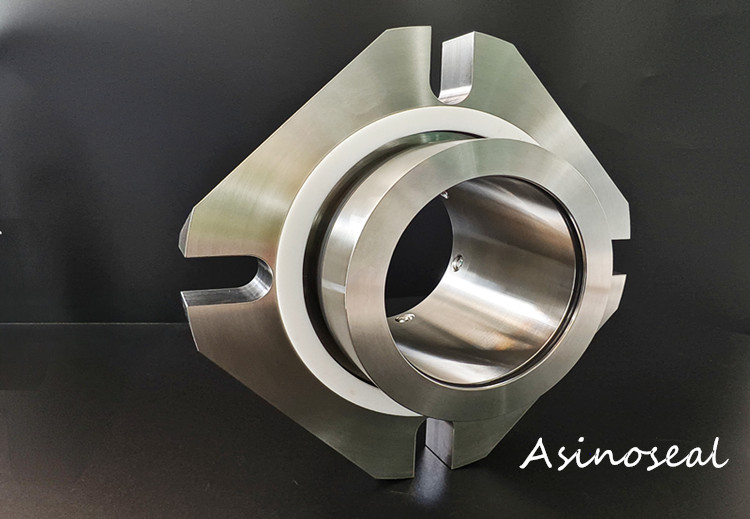
Built-in mechanical seal: the spring is placed inside the sealed medium, the media pressure can help the spring tighten the end surface, sealing stability is good, widely used.
External mechanical seal: the spring is located on the outside of the medium, suitable for easy crystallization, high viscosity or low-pressure media, can prevent the spring from being corroded by the medium, but the low-pressure start is prone to wear due to excessive end surface pressure.
Built-in mechanical seal: the spring is placed inside the sealed medium, the media pressure can help the spring tighten the end surface, sealing stability is good, widely used.
External mechanical seal: the spring is located on the outside of the medium, suitable for easy crystallization, high viscosity or low-pressure media, can prevent the spring from being corroded by the medium, but the low-pressure start is prone to wear due to excessive end surface pressure.
4. Classification by number of springs and arrangement for types of mechanical seals for pump
Single spring type (large spring): only one spring, the end surface pressure distribution is uneven when the shaft diameter is larger, suitable for small shaft diameter pumps.
Multi-spring type (small spring): Multiple springs are evenly distributed, and the end surface pressure is more uniform, suitable for large shaft diameters or scenarios with higher sealing requirements.
5. Classification by spring element type for types of mechanical seals for pump
Spring clamping type: through the metal spring to provide compensatory force, the structure is traditional, widely used.
Corrugated tube type: Replace the spring with a corrugated tube (metal, polytetrafluoroethylene or rubber material), which can be adapted to high temperatures and corrosive media, such as polytetrafluoroethylene corrugated tube for strong chemical environments.
6. Classification by media leakage direction for types of mechanical seals for pump
Inward flow mode: media along the sealing end surface from the outside to the inside leakage, can use the media pressure to enhance the sealing effect.
Outward flow mode: medium leaks from inside to outside, suitable for low or negative pressure conditions.
7. Classification by structure and working principle for types of mechanical seals for pump
Liquid static seal: Relying on external pressure (such as sealing liquid) to maintain end face fit, suitable for low speed occasions
Fluid dynamic pressure sealing: using the dynamic pressure generated by the medium high speed rotation to form a liquid film barrier, to achieve non-contact sealing, suitable for high-speed pumps.
8. Other special types for types of mechanical seals for pump
Power seal combination: such as secondary impeller + parking seal, relying on centrifugal force to reduce shaft sealing pressure, suitable for medium containing solid particles (such as mineral pulp pump), but the power loss is large.
Corrosion-resistant special type: using 316L, 2205 double-phase steel and other materials, the sealing surface uses pressure-free sintered silicon carbide or hard alloy, suitable for acid-alkali, salts and other strong corrosive media, the life is more than twice that of ordinary seals.If you want to view other products,pls see this website & www.aefluidtec.com/
Send Message
Related Products

Model NO. AS-C541

Model NO. AS-C540

Model NO. AS-C539

Model NO. AS-C538

Model NO. AS-C537

Model NO. AS-C536

Model NO. AS-C535

Model NO. AS-C534