Español
 Pусский



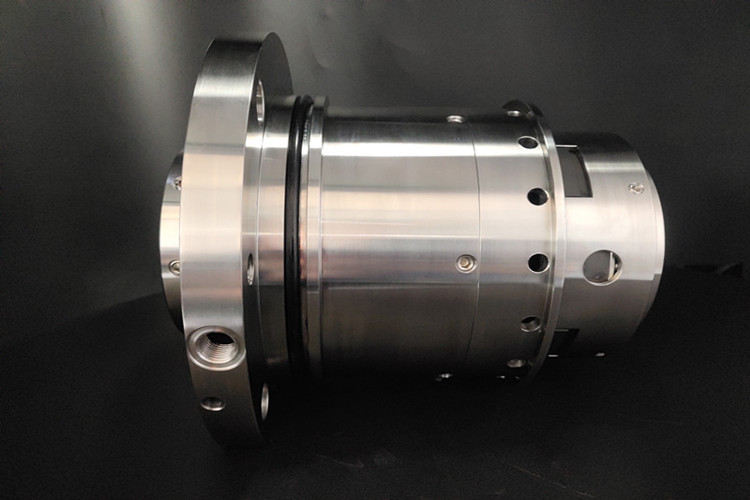
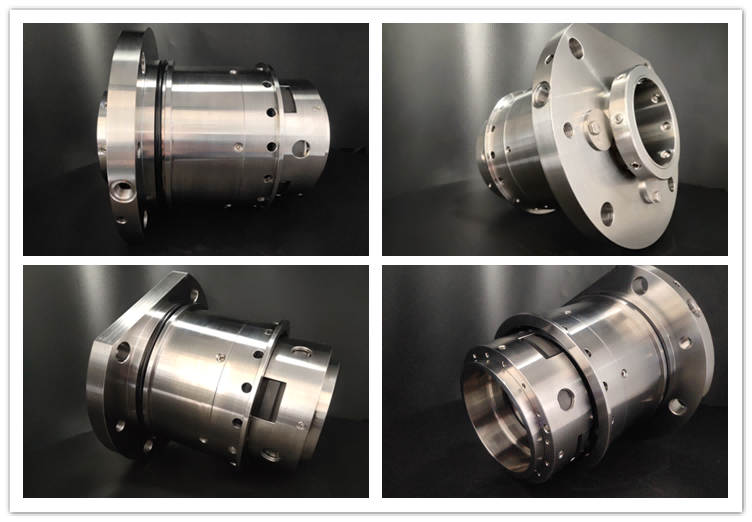
AS-C466 Dual Cartridge Seal is customized seal made as per client drawing.
About us:
Background:
Types and uses of mechanical sealing materials
Sealing materials refer to materials used for various seams, joints, and component connections to provide water tightness and air tightness. They are classified according to different characteristics and compositions, and have a wide range of applications.
Classified by characteristics and purposes
Fluid sealing material
Sealing gaskets for pumps: With a long history, their performance has far exceeded that of traditional products, and they are used for sealing pump equipment to prevent fluid leakage.
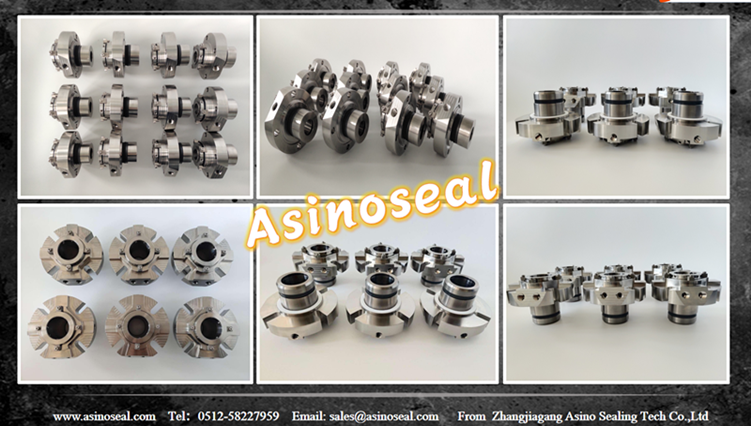
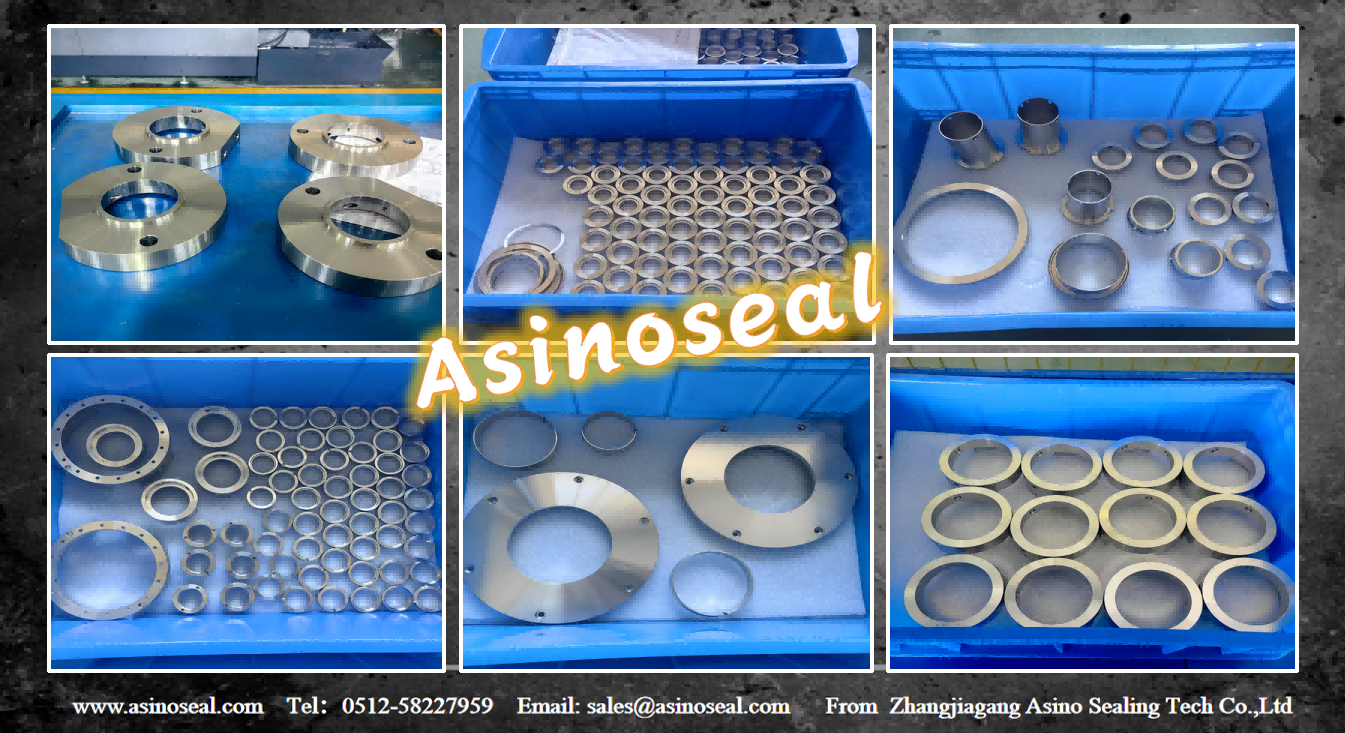
Mechanical seal (end face seal): low leakage, long service life, and easy maintenance, suitable for equipment such as water pumps and centrifuges, ensuring the sealing of fluids inside the equipment.
Non fluid sealing material
Soft packing: It stands out with advantages such as no leakage and online maintenance. For example, Othello's mold free turning system can provide customized hydraulic and pneumatic sealing products for mining supports and engineering machinery.
Flange sealing gasket: cut as needed and made with different materials such as aramid and ceramic fiber, especially suitable for pollution-free food and pharmaceutical industries.
Gaskets: including all metal, metal wrapped, and metal coated gaskets, suitable for pipeline sealing in high-pressure and high-temperature environments.
Equipment sealing oil seal: used for the shaft extension part, Othello provides a variety of material options, such as nitrile rubber, fluororubber, etc., with diverse structural forms to meet the needs of different media.
Water seal: prevents cooling water from entering the lubrication system.
Joint surface sealant: such as high temperature resistant sealant, polymerized from high-performance materials, suitable for high temperature and high pressure environments, easy to apply, can be directly used during operation, and has excellent pressure resistance and adhesion.
Classified by material composition and purpose
Rubber material
Made of natural rubber or synthetic rubber, it has good elasticity and wear resistance, and can maintain stable sealing performance at different temperatures and pressures. Common types include butyl rubber, fluororubber, silicone rubber, etc., which are widely used in automotive manufacturing, pipeline connections, mechanical equipment, and other fields, such as sealing of automotive engines, transmissions, braking systems, and other parts.
Plastic materials
The material is lightweight, cost-effective, easy to process and shape, has strong corrosion resistance, and has good resistance to strong acids, alkalis, oxidants, and other substances. Various polymers, polyolefins, polyurethanes, etc. are suitable for different sealing applications and are commonly used in industries such as chemical, petroleum, and food.
Metallic materials
Made of metal sheets or metal fibers, such as copper, aluminum, stainless steel, etc., it has high rigidity, strength, and corrosion resistance, and is widely used for sealing under harsh conditions such as high pressure, high temperature, and high load, such as sealing components in aerospace, nuclear energy, pipelines, valves, pumps, and other equipment.
ceramic materials
High hardness, good corrosion resistance, and strong insulation performance. Common types include alumina, zirconia, and silicon carbide, which are suitable for manufacturing various seals such as bearings, wear-resistant parts, valve seats, etc.
fiber material
Mainly made of cellulose, asbestos, glass fiber, etc., it has good flexibility and wear resistance, and can maintain stable sealing performance in high temperature and high pressure environments. It is widely used for sealing equipment such as pipelines and valves in industries such as petroleum, chemical, and power.
Polymer materials
Made of polymers such as polyethylene, polypropylene, etc., it has good chemical corrosion resistance and high temperature resistance, suitable for sealing needs in industries such as chemical, petroleum, and food.
sealant
It is a sealing material that deforms with the shape of the sealing surface, is not easy to flow, and has a certain degree of adhesion. It is used to fill the gaps in the configuration to achieve a sealing effect. Common types include liquid sealant, anaerobic sealant, hot melt sealant, etc., which can be used for gaskets, pipe connections, thread sealing, etc.
Sealing materials refer to materials used for various seams, joints, and component connections to provide water tightness and air tightness. They are classified according to different characteristics and compositions, and have a wide range of applications.
Classified by characteristics and purposes
Fluid sealing material
Sealing gaskets for pumps: With a long history, their performance has far exceeded that of traditional products, and they are used for sealing pump equipment to prevent fluid leakage.
Mechanical seal (end face seal): low leakage, long service life, and easy maintenance, suitable for equipment such as water pumps and centrifuges, ensuring the sealing of fluids inside the equipment.
Non fluid sealing material
Soft packing: It stands out with advantages such as no leakage and online maintenance. For example, Othello's mold free turning system can provide customized hydraulic and pneumatic sealing products for mining supports and engineering machinery.
Flange sealing gasket: cut as needed and made with different materials such as aramid and ceramic fiber, especially suitable for pollution-free food and pharmaceutical industries.
Gaskets: including all metal, metal wrapped, and metal coated gaskets, suitable for pipeline sealing in high-pressure and high-temperature environments.
Equipment sealing oil seal: used for the shaft extension part, Othello provides a variety of material options, such as nitrile rubber, fluororubber, etc., with diverse structural forms to meet the needs of different media.
Water seal: prevents cooling water from entering the lubrication system.
Joint surface sealant: such as high temperature resistant sealant, polymerized from high-performance materials, suitable for high temperature and high pressure environments, easy to apply, can be directly used during operation, and has excellent pressure resistance and adhesion.
Classified by material composition and purpose
Rubber material
Made of natural rubber or synthetic rubber, it has good elasticity and wear resistance, and can maintain stable sealing performance at different temperatures and pressures. Common types include butyl rubber, fluororubber, silicone rubber, etc., which are widely used in automotive manufacturing, pipeline connections, mechanical equipment, and other fields, such as sealing of automotive engines, transmissions, braking systems, and other parts.
Plastic materials
The material is lightweight, cost-effective, easy to process and shape, has strong corrosion resistance, and has good resistance to strong acids, alkalis, oxidants, and other substances. Various polymers, polyolefins, polyurethanes, etc. are suitable for different sealing applications and are commonly used in industries such as chemical, petroleum, and food.
Metallic materials
Made of metal sheets or metal fibers, such as copper, aluminum, stainless steel, etc., it has high rigidity, strength, and corrosion resistance, and is widely used for sealing under harsh conditions such as high pressure, high temperature, and high load, such as sealing components in aerospace, nuclear energy, pipelines, valves, pumps, and other equipment.
ceramic materials
High hardness, good corrosion resistance, and strong insulation performance. Common types include alumina, zirconia, and silicon carbide, which are suitable for manufacturing various seals such as bearings, wear-resistant parts, valve seats, etc.
fiber material
Mainly made of cellulose, asbestos, glass fiber, etc., it has good flexibility and wear resistance, and can maintain stable sealing performance in high temperature and high pressure environments. It is widely used for sealing equipment such as pipelines and valves in industries such as petroleum, chemical, and power.
Polymer materials
Made of polymers such as polyethylene, polypropylene, etc., it has good chemical corrosion resistance and high temperature resistance, suitable for sealing needs in industries such as chemical, petroleum, and food.
sealant
It is a sealing material that deforms with the shape of the sealing surface, is not easy to flow, and has a certain degree of adhesion. It is used to fill the gaps in the configuration to achieve a sealing effect. Common types include liquid sealant, anaerobic sealant, hot melt sealant, etc., which can be used for gaskets, pipe connections, thread sealing, etc.
Send Message
Related Products

Model NO. AS-C541

Model NO. AS-C540

Model NO. AS-C539

Model NO. AS-C538

Model NO. AS-C537

Model NO. AS-C536

Model NO. AS-C535

Model NO. AS-C534