Español
 Pусский

The characteristics of the mechanical seal leak detection method mainly include the following aspects.
1. Principle of leak detection
No matter which leak detection method of mechanical seals is used, its basic principles must be understood. Leak detection methods involve a wide range of content and reflect a variety of measurement and testing techniques. It is not easy to have a detailed understanding of the principles of many detection methods.
2. Sensitivity
The sensitivity of the leak detection method of mechanical seal can be expressed by the minimum leak rate detectable by the method. When choosing a leak detection method, the sensitivity of each method should be considered, that is, which method can detect which level of leak rate. For example, to detect a leak rate of 10-5cm3/s,a method with a sensitivity of 10-2cm3/s is useless. On the contrary, when detecting the leakage rate of 102cm3/s, the method with a sensitivity of 10-5cm3/s may be feasible in principle, but may be uneconomical in practice.
3. Response time
Regardless of the method used, it will take a certain amount of time to detect the leak rate. The length of the response time may affect the accuracy and sensitivity of the leak detection. In general, prolonging the detection time will improve the sensitivity, but if the detection time is too long, the detection accuracy may be reduced due to changes in environmental conditions.The response time includes the response time of the detection instrument itself, the lag time of the gas flow and the time required for various preparations. This must be taken into account when choosing a leak detection method of mechanical seal.
4. Judgment of leak point
Some leak detection methods of mechanical seal can only determine whether there is a leak in the system, but cannot determine where the leak point is. Some leak detection methods can not only determine the leak point, but also the size of the leak rate. If it is only to find out whether the device is qualified, the former method can be used; when maintenance or to find out the cause of leakage, the latter method must be used,With the latter method, sometimes there is still something to be missed.
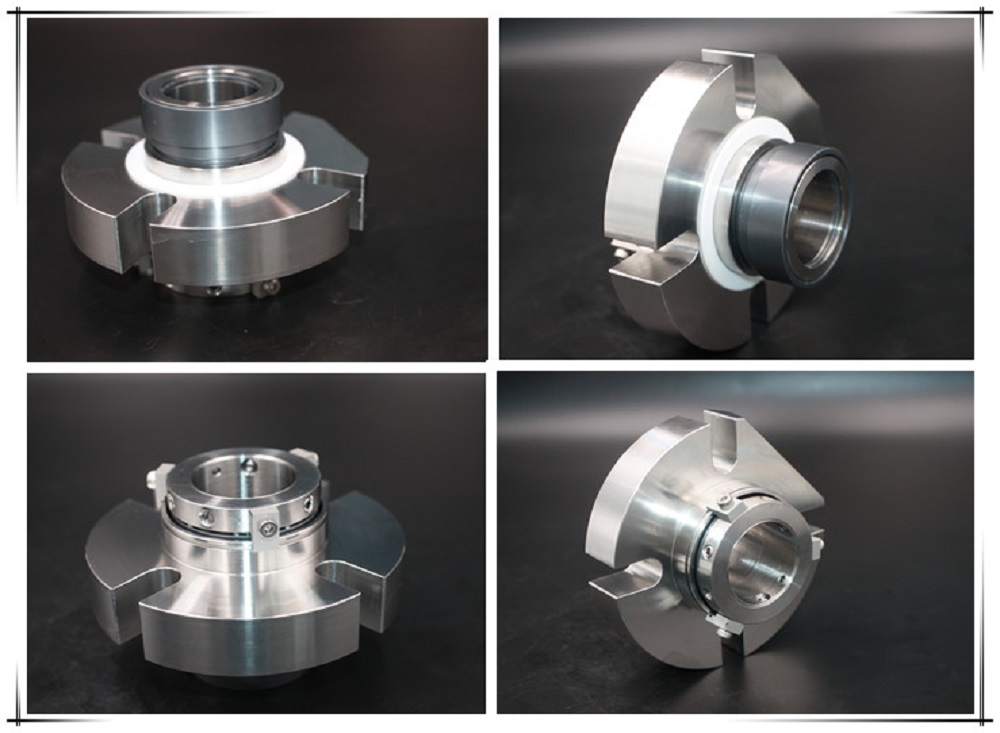 (If you want to view other products,pls visit this website & component seals)
5. Consistency
For some leak detection methods of mechanical seal, the test results obtained are basically the same regardless of whether the testers are skilled or not; some methods are totally different:if used by experts and laymen, and the results are completely different. Each method has different technical keys, and different leak detection personnel may not be able to obtain consistent leak detection results.
6. Stability
Leak detection of mechanical seal is an integrated technique of metrology and testing. If the data obtained by the test is not stable, it is meaningless. Correct leak detection requires not only the stability of the detection instrument, but also the stability of the detection method itself.
7. Reliability
The fact that no leakage is detected does not mean that there is no leakage, and this should be judged. When a method is used for leak detection, it should be known whether the method is reliable. The reliability of leak detection results is related to the consistency and stability of the methods described above.
8. Economical
Economy is one of the keys to choosing a leak detection method of mechanical seal. It is easy to merely consider the economy of the leak detection method itself, but it is more difficult to comprehensively evaluate the economy of the leak detection method from the aspects of the required leak detection equipment, technical literacy of personnel, and leak detection results.
For example, soaping liquid leak detection is a very economical method, but this method cannot detect small leaks, so it cannot be used in occasions with high leakage requirements. When using an expensive helium mass spectrometer leak detector, many smaller leaks are quickly detected. Therefore, it is difficult to say in general, which of the above two methods is economical and which is not?
It can be seen that when choosing a leak detection method of mechanical seal, in addition to considering its economy, it is also necessary to make a comprehensive evaluation of sensitivity, response time, detection requirements, etc., so that the selected leak detection method not only meets the leak detection requirements, but also is economical and reasonable.
1. Principle of leak detection
No matter which leak detection method of mechanical seals is used, its basic principles must be understood. Leak detection methods involve a wide range of content and reflect a variety of measurement and testing techniques. It is not easy to have a detailed understanding of the principles of many detection methods.
2. Sensitivity
The sensitivity of the leak detection method of mechanical seal can be expressed by the minimum leak rate detectable by the method. When choosing a leak detection method, the sensitivity of each method should be considered, that is, which method can detect which level of leak rate. For example, to detect a leak rate of 10-5cm3/s,a method with a sensitivity of 10-2cm3/s is useless. On the contrary, when detecting the leakage rate of 102cm3/s, the method with a sensitivity of 10-5cm3/s may be feasible in principle, but may be uneconomical in practice.
3. Response time
Regardless of the method used, it will take a certain amount of time to detect the leak rate. The length of the response time may affect the accuracy and sensitivity of the leak detection. In general, prolonging the detection time will improve the sensitivity, but if the detection time is too long, the detection accuracy may be reduced due to changes in environmental conditions.The response time includes the response time of the detection instrument itself, the lag time of the gas flow and the time required for various preparations. This must be taken into account when choosing a leak detection method of mechanical seal.
4. Judgment of leak point
Some leak detection methods of mechanical seal can only determine whether there is a leak in the system, but cannot determine where the leak point is. Some leak detection methods can not only determine the leak point, but also the size of the leak rate. If it is only to find out whether the device is qualified, the former method can be used; when maintenance or to find out the cause of leakage, the latter method must be used,With the latter method, sometimes there is still something to be missed.
5. Consistency
For some leak detection methods of mechanical seal, the test results obtained are basically the same regardless of whether the testers are skilled or not; some methods are totally different:if used by experts and laymen, and the results are completely different. Each method has different technical keys, and different leak detection personnel may not be able to obtain consistent leak detection results.
6. Stability
Leak detection of mechanical seal is an integrated technique of metrology and testing. If the data obtained by the test is not stable, it is meaningless. Correct leak detection requires not only the stability of the detection instrument, but also the stability of the detection method itself.
7. Reliability
The fact that no leakage is detected does not mean that there is no leakage, and this should be judged. When a method is used for leak detection, it should be known whether the method is reliable. The reliability of leak detection results is related to the consistency and stability of the methods described above.
8. Economical
Economy is one of the keys to choosing a leak detection method of mechanical seal. It is easy to merely consider the economy of the leak detection method itself, but it is more difficult to comprehensively evaluate the economy of the leak detection method from the aspects of the required leak detection equipment, technical literacy of personnel, and leak detection results.
For example, soaping liquid leak detection is a very economical method, but this method cannot detect small leaks, so it cannot be used in occasions with high leakage requirements. When using an expensive helium mass spectrometer leak detector, many smaller leaks are quickly detected. Therefore, it is difficult to say in general, which of the above two methods is economical and which is not?
It can be seen that when choosing a leak detection method of mechanical seal, in addition to considering its economy, it is also necessary to make a comprehensive evaluation of sensitivity, response time, detection requirements, etc., so that the selected leak detection method not only meets the leak detection requirements, but also is economical and reasonable.