Español
 Pусский

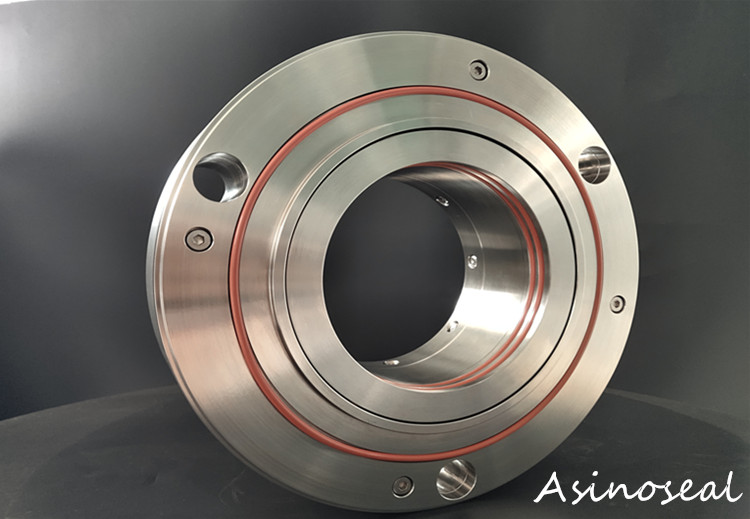
As an important branch of mechanical seals, multiple spring mechanical seals have shown a multidimensional development trend in recent years under technological innovation, market demand, and policy driving. The following analysis will be conducted from two aspects: industry dynamics and technological progress:
1. multiple spring mechanical seals ndustry dynamics: Market size and expansion of application areas
Steady growth in market size
The market size of multiple spring mechanical sealsis expected to exceed 9 billion yuan by 2030
Application field demand differentiation
The chemical and energy (oil and gas, electricity) sectors account for over 60% of the total demand, especially in oil and gas extraction and chemical production where there is a prominent demand for high-temperature and corrosion-resistant sealing products. In addition, driven by environmental policies, the demand for low friction and long-life seals in fields such as green energy and intelligent manufacturing has significantly increased.
Steady growth in market size
The market size of multiple spring mechanical sealsis expected to exceed 9 billion yuan by 2030
Application field demand differentiation
The chemical and energy (oil and gas, electricity) sectors account for over 60% of the total demand, especially in oil and gas extraction and chemical production where there is a prominent demand for high-temperature and corrosion-resistant sealing products. In addition, driven by environmental policies, the demand for low friction and long-life seals in fields such as green energy and intelligent manufacturing has significantly increased.
2. Technological progress of multiple spring mechanical seal : innovation in materials, design, and intelligence
Breakthrough in materials science enhances product performance
High temperature and corrosion-resistant materials: The application of new alloys, ceramics, and composite materials enables seals to adapt to extreme temperatures ranging from -200 ℃ to 800 ℃ and strong acid and alkali media.
Low friction and wear-resistant technology: Through surface coating optimization (such as diamond film, tungsten carbide), the friction coefficient is reduced by more than 30%, and the service life is extended to 2-3 times that of traditional products.
Design optimization and modular production
multiple spring mechanical seals structure upgrade: The multiple spring mechanical seals improves the sealing surface fitting accuracy by evenly distributing the spring force, and controls the leakage rate below 0.1mg/h.
Modularization and standardization: The detachable structural design reduces maintenance costs, standardized interfaces increase interchangeability by 40%, and is compatible with various rotating equipment.
Integration of intelligence and digitization
State monitoring system: integrating sensors and IoT technology, real-time monitoring of sealing temperature, vibration, and leakage, achieving fault warning and life prediction.
Simulation and Intelligent Manufacturing: Using Finite Element Analysis (FEA) to optimize structural design and 3D printing technology to shorten the prototype development cycle by 50%.
Breakthrough in materials science enhances product performance
High temperature and corrosion-resistant materials: The application of new alloys, ceramics, and composite materials enables seals to adapt to extreme temperatures ranging from -200 ℃ to 800 ℃ and strong acid and alkali media.
Low friction and wear-resistant technology: Through surface coating optimization (such as diamond film, tungsten carbide), the friction coefficient is reduced by more than 30%, and the service life is extended to 2-3 times that of traditional products.
Design optimization and modular production
multiple spring mechanical seals structure upgrade: The multiple spring mechanical seals improves the sealing surface fitting accuracy by evenly distributing the spring force, and controls the leakage rate below 0.1mg/h.
Modularization and standardization: The detachable structural design reduces maintenance costs, standardized interfaces increase interchangeability by 40%, and is compatible with various rotating equipment.
Integration of intelligence and digitization
State monitoring system: integrating sensors and IoT technology, real-time monitoring of sealing temperature, vibration, and leakage, achieving fault warning and life prediction.
Simulation and Intelligent Manufacturing: Using Finite Element Analysis (FEA) to optimize structural design and 3D printing technology to shorten the prototype development cycle by 50%.
Competitive landscape and future challenges
Intensifying market competition
Domestic and foreign enterprises engage in dual competition in technology research and development and cost control, with leading companies building barriers through patent layouts such as high-temperature resistant material formulations and intelligent monitoring algorithms. In 2023, the domestic CR5 (top five enterprise market concentration) is expected to be around 35%, and it is expected to be further improved through mergers and acquisitions in the future.
Core Challenges and Response Strategies
Technological gap: Domestic high-end products rely on imports, and it is necessary to increase research and development investment to narrow the gap with international brands such as John Hancock and Bergman.
Environmental pressure: EU REACH regulations and other restrictions on harmful substances are becoming stricter, and companies need to develop lead-free and low VOC sealing materials.
Supply chain security: Key raw materials such as special rubber and silicon carbide have a high dependence on imports and require the establishment of a diversified supply system.
The multiple spring mechanical seals industry is currently in a critical period of technological iteration and market expansion. Enterprises need to take material innovation as the foundation and intelligence as the engine, seize policy and emerging application opportunities, and achieve the transformation from "followers" to "leaders" in global competition.
Intensifying market competition
Domestic and foreign enterprises engage in dual competition in technology research and development and cost control, with leading companies building barriers through patent layouts such as high-temperature resistant material formulations and intelligent monitoring algorithms. In 2023, the domestic CR5 (top five enterprise market concentration) is expected to be around 35%, and it is expected to be further improved through mergers and acquisitions in the future.
Core Challenges and Response Strategies
Technological gap: Domestic high-end products rely on imports, and it is necessary to increase research and development investment to narrow the gap with international brands such as John Hancock and Bergman.
Environmental pressure: EU REACH regulations and other restrictions on harmful substances are becoming stricter, and companies need to develop lead-free and low VOC sealing materials.
Supply chain security: Key raw materials such as special rubber and silicon carbide have a high dependence on imports and require the establishment of a diversified supply system.
The multiple spring mechanical seals industry is currently in a critical period of technological iteration and market expansion. Enterprises need to take material innovation as the foundation and intelligence as the engine, seize policy and emerging application opportunities, and achieve the transformation from "followers" to "leaders" in global competition.