Español
 Pусский

What to think about before disassembling the mechanical seal:
1. Where does the main leakage occur in the mechanical seal?
2. Are there debris on the outer parts of the mechanical seal?
3. Is any eccentricity of the shaft or rotating components of the mechanical seal observed?
4. Is there any vibration or noise associated with the system (eg cavitation, misalignment)?
5. Is there localized heat generation at the "pump" or the mechanical seal?
6. Is the leak intermittent under different conditions, such as at different temperatures?
7. What form of leak it is, jet, droplet, stream or flowing to the pipe?
8. Does the bearing have axial play?
9. If it is a double mechanical seal, make sure that the barrier fluid supply is intact.
10. What is the relative position of the sealing parts on the shaft?
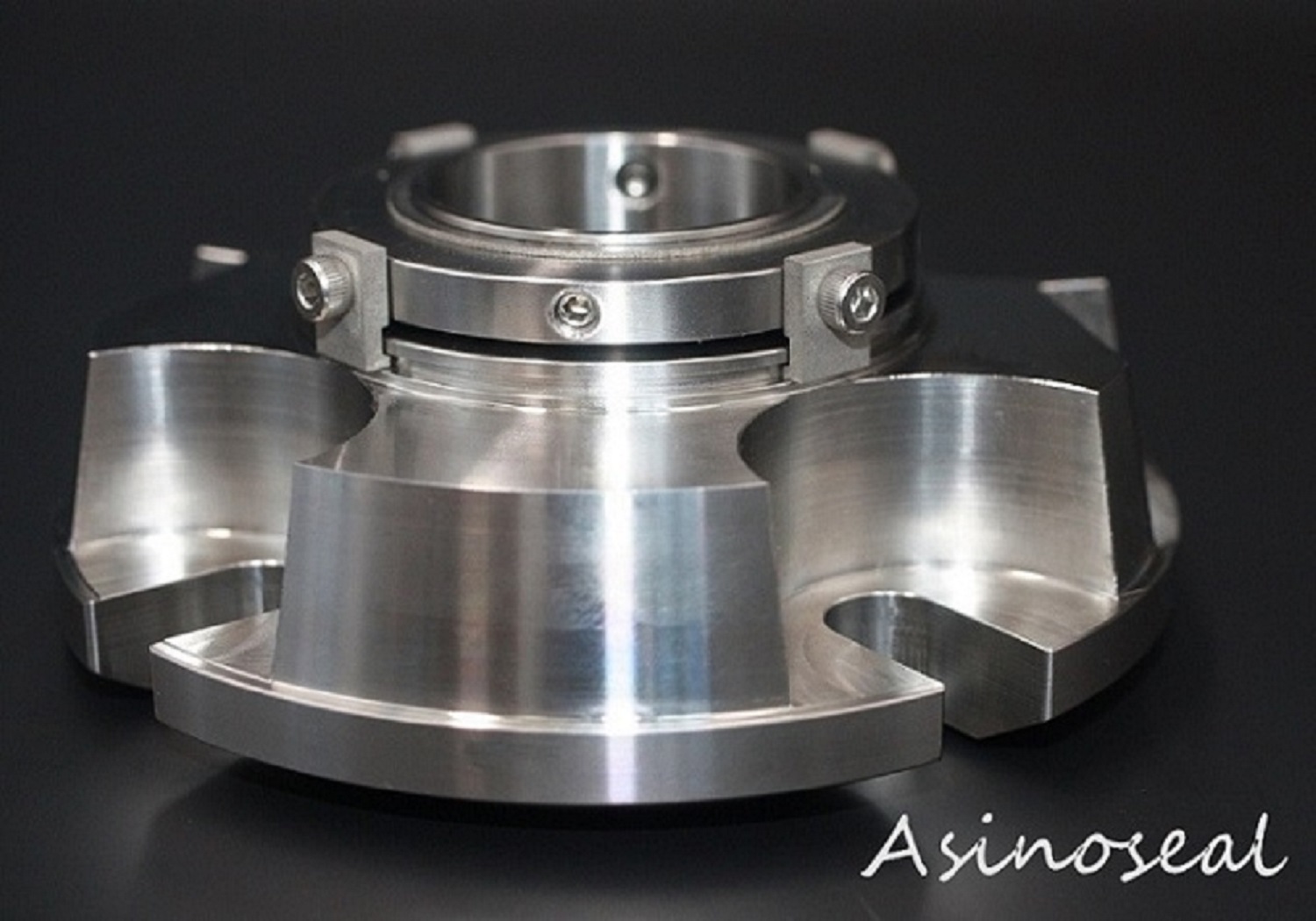 (if you want to view other products,pls visit this website and component seals)
What to pay attention to when removing the mechanical seal:
1. What is the condition of the gasket and the running-in face of the mechanical seal?
2. Condition and size of the shaft?
3. Blocking or sealing air pockets in the machine?
4. Is it loose or tight on the shaft?
5. Corrosion of the machine?
6. Are there seal fragments in the machine?
7. Is there a fiducial mark where the mechanical seal is installed on the shaft?
8. What is the relative hardness of the shaft at the sealing part of the mechanical seal ?
What to pay particular attention to when removing mechanical seals:
1. During the dismantling process, great care must be taken to avoid any damage covering up the real cause of the original mechanical seal failure;
3. When dismantling parts, observe and make records of every part of the mechanical seal before dismantling the next part;
4. Observed failures such as wear, dry running, ringing sounds, etc. must be classified.
1. Where does the main leakage occur in the mechanical seal?
2. Are there debris on the outer parts of the mechanical seal?
3. Is any eccentricity of the shaft or rotating components of the mechanical seal observed?
4. Is there any vibration or noise associated with the system (eg cavitation, misalignment)?
5. Is there localized heat generation at the "pump" or the mechanical seal?
6. Is the leak intermittent under different conditions, such as at different temperatures?
7. What form of leak it is, jet, droplet, stream or flowing to the pipe?
8. Does the bearing have axial play?
9. If it is a double mechanical seal, make sure that the barrier fluid supply is intact.
10. What is the relative position of the sealing parts on the shaft?
What to pay attention to when removing the mechanical seal:
1. What is the condition of the gasket and the running-in face of the mechanical seal?
2. Condition and size of the shaft?
3. Blocking or sealing air pockets in the machine?
4. Is it loose or tight on the shaft?
5. Corrosion of the machine?
6. Are there seal fragments in the machine?
7. Is there a fiducial mark where the mechanical seal is installed on the shaft?
8. What is the relative hardness of the shaft at the sealing part of the mechanical seal ?
What to pay particular attention to when removing mechanical seals:
1. During the dismantling process, great care must be taken to avoid any damage covering up the real cause of the original mechanical seal failure;
3. When dismantling parts, observe and make records of every part of the mechanical seal before dismantling the next part;
4. Observed failures such as wear, dry running, ringing sounds, etc. must be classified.