Español
 Pусский
First,leakage of chemical mechanical seals due to overheating damage
Once the overheating problem occurs in the chemical mechanical seal, the friction pair will be deformed, resulting in the wear of the seal, and thermal cracking may occur under more serious conditions.Under normal circumstances, when the thermal stress is relatively large, radial cracks will occur on the surface of the chemical mechanical seal ring, that is, thermal cracking.
The phenomenon of thermal cracking generally occurs when the mechanical load or thermal load is large in a short period of time. Therefore, in order to effectively avoid the phenomenon of thermal cracking, when designing chemical mechanical seals, we must first grasp the physical properties of materials, and we must fully consider the thermal cracking that may occur in chemical mechanical seals; At the same time, when the operating temperature is too high, the lubricating performance of the medium is not high, and the material combination is not matched, the phenomenon of excessive friction heat will be caused. When the generated friction heat cannot be dissipated in time, thermal cracking will occur. Leakage may thus takes place.
Second, chemical mechanical seals leak due to long-term wear.
The long-term wear of chemical mechanical seals will damage the normal cooperation of the seal friction pair. When the end face is worn and the drive shaft rotates, the seals will undergo radial swing and axial displacement. Thus,leakage takes place.Based on the wear marks, the wear and movement conditions can be judged so as to analyze the cause of seal leakage:
When the wear marks of the seal friction pair are uniform, then the fitting performance between the parts is not bad at this time, that is to say, the coaxiality of the transmission is good, which means, the seal leakage of the chemical machinery is likely to be caused by the seal itself. When the amount of leakage is unchanging, leakage occurs not at both end faces, but at other parts.
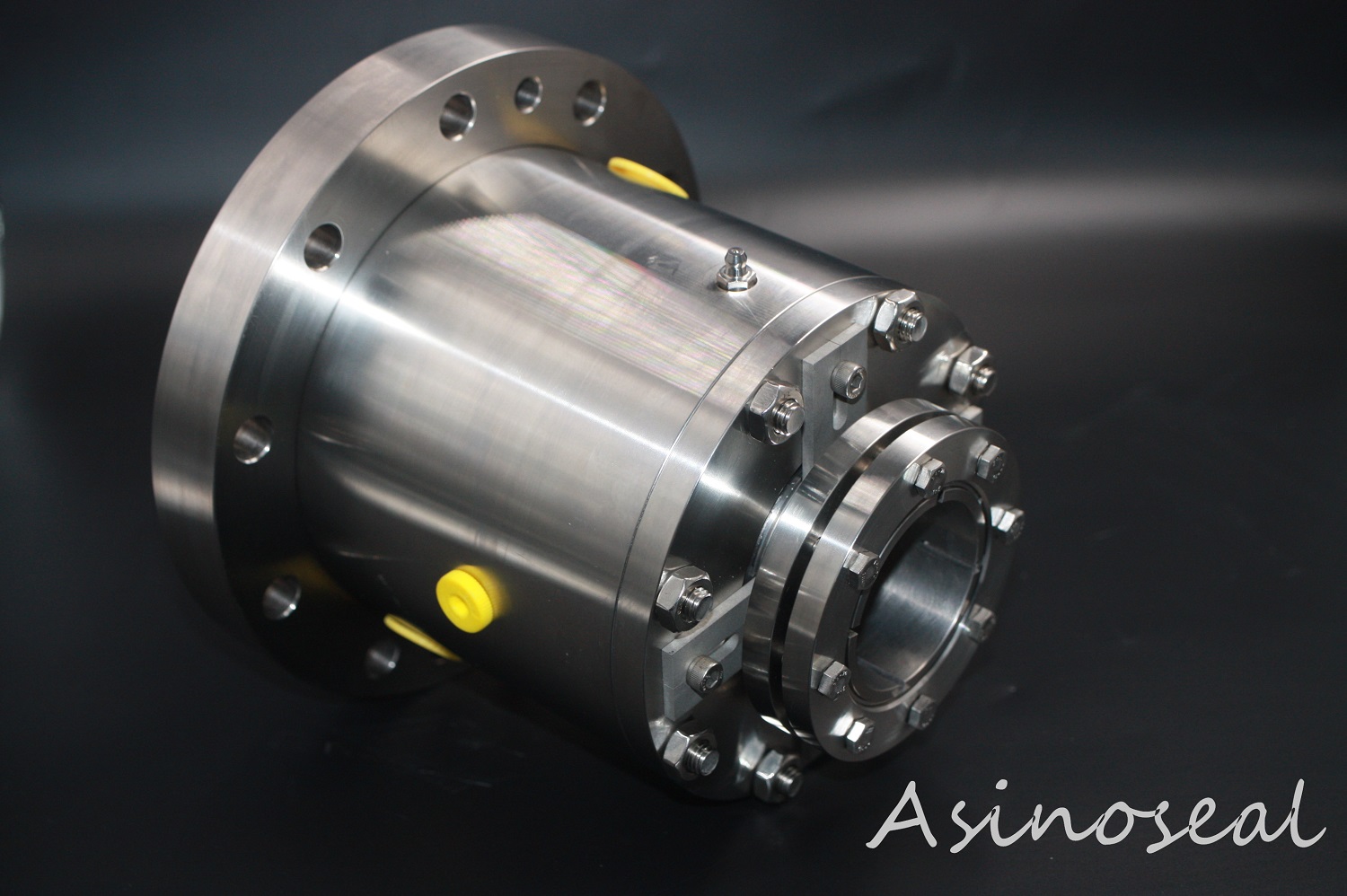
(If you want to view other products,pls visit this website and component products)
Third, the chemical mechanical seal leaks due to the failure of the sealing parts.
The chemical mechanical seal leakage caused by the failure of the sealing parts is actually caused by the failure of the auxiliary sealing ring or the failure of the O-ring. In the case of communication, permanent deformation, aging, twisting, swelling deformation and extrusion damage are all manifestations of O-ring failure.
In view of this,when selecting O-rings for chemical mechanical seals, the temperature at which synthetic rubber can be safely used must be fully considered.. At the same time, the largest possible cross-sectional area should be selected, and the hardness of the O-rings should be appropriately increased. Generally, the structure of the O-ring adopts the groove type. When selecting the material of the O-ring, an immersion experiment is carried out. For chemical mechanical seals with strict requirements, a sealing ring made of composite materials such as rubber-coated PTFE should be used.
Fourth, the leakage of chemical mechanical seals due to chemical corrosion.
When the chemical mechanical seal is in contact with the corrosive medium, the corrosion of the sealing surface will occur, and on more serious cases severe corrosion points and pitting corrosion on the contact surface will take place.The corrosion on the metal grain boundary will further intrude into the metal, which will increase the damage, and even cause fracture in severe cases. Therefore, corrosion has a great impact on chemical mechanical seals.
Usually, compared with the main engine parts, the mechanical seals are not only smaller, but also more precise. Therefore, the seals need to choose materials that are more resistant to corrosion than that of the main engine.
In order to reduce the impact of corrosion on the mechanical seals as much as possible, in the presence of strong corrosive fluids, double mechanical seals are used.
Since the number of contact parts between double seals and process fluid is relatively small, the use of double seals reduces chemical corrosion effects.
Once the overheating problem occurs in the chemical mechanical seal, the friction pair will be deformed, resulting in the wear of the seal, and thermal cracking may occur under more serious conditions.Under normal circumstances, when the thermal stress is relatively large, radial cracks will occur on the surface of the chemical mechanical seal ring, that is, thermal cracking.
The phenomenon of thermal cracking generally occurs when the mechanical load or thermal load is large in a short period of time. Therefore, in order to effectively avoid the phenomenon of thermal cracking, when designing chemical mechanical seals, we must first grasp the physical properties of materials, and we must fully consider the thermal cracking that may occur in chemical mechanical seals; At the same time, when the operating temperature is too high, the lubricating performance of the medium is not high, and the material combination is not matched, the phenomenon of excessive friction heat will be caused. When the generated friction heat cannot be dissipated in time, thermal cracking will occur. Leakage may thus takes place.
Second, chemical mechanical seals leak due to long-term wear.
The long-term wear of chemical mechanical seals will damage the normal cooperation of the seal friction pair. When the end face is worn and the drive shaft rotates, the seals will undergo radial swing and axial displacement. Thus,leakage takes place.Based on the wear marks, the wear and movement conditions can be judged so as to analyze the cause of seal leakage:
When the wear marks of the seal friction pair are uniform, then the fitting performance between the parts is not bad at this time, that is to say, the coaxiality of the transmission is good, which means, the seal leakage of the chemical machinery is likely to be caused by the seal itself. When the amount of leakage is unchanging, leakage occurs not at both end faces, but at other parts.
(If you want to view other products,pls visit this website and component products)
Third, the chemical mechanical seal leaks due to the failure of the sealing parts.
The chemical mechanical seal leakage caused by the failure of the sealing parts is actually caused by the failure of the auxiliary sealing ring or the failure of the O-ring. In the case of communication, permanent deformation, aging, twisting, swelling deformation and extrusion damage are all manifestations of O-ring failure.
In view of this,when selecting O-rings for chemical mechanical seals, the temperature at which synthetic rubber can be safely used must be fully considered.. At the same time, the largest possible cross-sectional area should be selected, and the hardness of the O-rings should be appropriately increased. Generally, the structure of the O-ring adopts the groove type. When selecting the material of the O-ring, an immersion experiment is carried out. For chemical mechanical seals with strict requirements, a sealing ring made of composite materials such as rubber-coated PTFE should be used.
Fourth, the leakage of chemical mechanical seals due to chemical corrosion.
When the chemical mechanical seal is in contact with the corrosive medium, the corrosion of the sealing surface will occur, and on more serious cases severe corrosion points and pitting corrosion on the contact surface will take place.The corrosion on the metal grain boundary will further intrude into the metal, which will increase the damage, and even cause fracture in severe cases. Therefore, corrosion has a great impact on chemical mechanical seals.
Usually, compared with the main engine parts, the mechanical seals are not only smaller, but also more precise. Therefore, the seals need to choose materials that are more resistant to corrosion than that of the main engine.
In order to reduce the impact of corrosion on the mechanical seals as much as possible, in the presence of strong corrosive fluids, double mechanical seals are used.
Since the number of contact parts between double seals and process fluid is relatively small, the use of double seals reduces chemical corrosion effects.