Español
 Pусский
The procedures for mechanical seal design are as follows:
1. Conduct thorough research. To obtain specific design condition of the said mechanical seal,thorough research should be conducted whose specific contents include: the type of the main engine, the parts that need to be sealed, the operating conditions and so on,which includes the medium pressure, medium temperature, and shaft speed, steering direction; the name, composition and properties (including density, concentration, saturated vapor pressure, pH value, whether it is corrosive, whether it contains suspended particles, whether it is easy to crystallization or polymerization, etc) of the sealed medium; The operation status of the main engine, whether its operation is continuous or intermittent and maintenance cycle, etc.; the vibration and deflection of the shaft; the allowable limit value of leakage; the structure of the sealing part, including the outer diameter of the shaft (or bushing), the sealing cavity structure, inner diameter and depth of seal cavity; The assembly size of the sealing end faces of the mechanical seal and the roughness of each surface; The sealing auxiliary system, including whether there is a cooling water jacket in the sealing cavity, the temperature of the cooling water if it has one, whether it has the conditions for taking flushing and cooling measures, whether there is a filter device, etc.
2. Determine the basic structure of the mechanical seal. The main factors to be determined is whether the seal should be single or double, balanced or unbalanced, built-in or external, rotary or static, single spring or multi-spring, etc.
3. Determine the materials. Materials of the friction pair, auxiliary sealing ring, elastic elements and other parts should be determined.
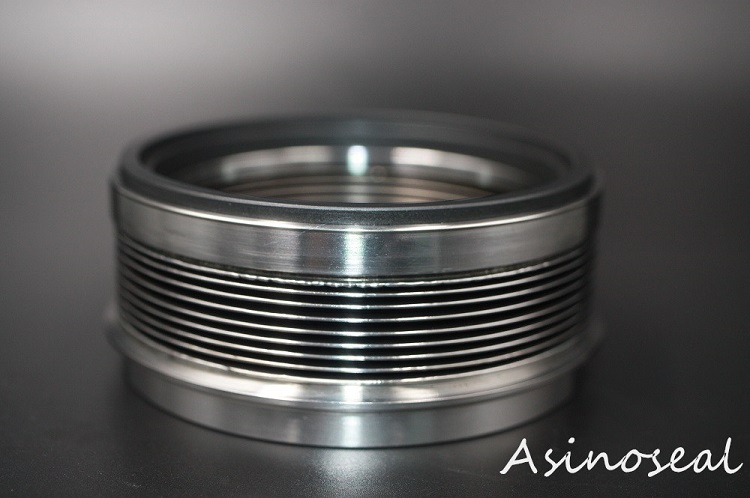 (If you want to view other products,pls visit this website & component seals)
4. Sealed end face design. Main factors to be determined include the width and height of the sealing end face, and the load factor should also be calculated.
5. Compensation ring and non-compensation ring design. The shape, size, supporting method, transmission and anti-rotation mechanism, strength design, stiffness design, etc should be determined.
6. Auxiliary sealing ring design. The shape, size, compression amount, airtightness, floatability, etc of the sealing ring of the mechanical seal should be determined.
7. Elastic element of the mechanical seal‘s design. The size of the elastic force, the number of elastic elements, the application method of the elastic force, etc are the relevant and main factors to be determined.
8. Design of sealing auxiliary system of mechanical seal. Identifying the processes, components and operating conditions of the sealing auxiliary system are required.
9. Calculation of main working parameters. This requirement mainly includes calculation of spring specific pressure, load factor, end face specific pressure, performance parameters, etc of the said mechanical seal.
10. Standardization and process review. Standardized review of parts, structures, materials, tests, etc.should be conducted; Review of the processing technology of parts should be conducted too.
11. Carry out type test. To formulate specific test plans, conduct tests, and conduct assessments according to test specifications are what this entry requires.
12. Prepare parts list. After the product type test is successful and finalized, the parts list and instruction manual are compiled, and the design technical documents are perfected and filed.
1. Conduct thorough research. To obtain specific design condition of the said mechanical seal,thorough research should be conducted whose specific contents include: the type of the main engine, the parts that need to be sealed, the operating conditions and so on,which includes the medium pressure, medium temperature, and shaft speed, steering direction; the name, composition and properties (including density, concentration, saturated vapor pressure, pH value, whether it is corrosive, whether it contains suspended particles, whether it is easy to crystallization or polymerization, etc) of the sealed medium; The operation status of the main engine, whether its operation is continuous or intermittent and maintenance cycle, etc.; the vibration and deflection of the shaft; the allowable limit value of leakage; the structure of the sealing part, including the outer diameter of the shaft (or bushing), the sealing cavity structure, inner diameter and depth of seal cavity; The assembly size of the sealing end faces of the mechanical seal and the roughness of each surface; The sealing auxiliary system, including whether there is a cooling water jacket in the sealing cavity, the temperature of the cooling water if it has one, whether it has the conditions for taking flushing and cooling measures, whether there is a filter device, etc.
2. Determine the basic structure of the mechanical seal. The main factors to be determined is whether the seal should be single or double, balanced or unbalanced, built-in or external, rotary or static, single spring or multi-spring, etc.
3. Determine the materials. Materials of the friction pair, auxiliary sealing ring, elastic elements and other parts should be determined.
4. Sealed end face design. Main factors to be determined include the width and height of the sealing end face, and the load factor should also be calculated.
5. Compensation ring and non-compensation ring design. The shape, size, supporting method, transmission and anti-rotation mechanism, strength design, stiffness design, etc should be determined.
6. Auxiliary sealing ring design. The shape, size, compression amount, airtightness, floatability, etc of the sealing ring of the mechanical seal should be determined.
7. Elastic element of the mechanical seal‘s design. The size of the elastic force, the number of elastic elements, the application method of the elastic force, etc are the relevant and main factors to be determined.
8. Design of sealing auxiliary system of mechanical seal. Identifying the processes, components and operating conditions of the sealing auxiliary system are required.
9. Calculation of main working parameters. This requirement mainly includes calculation of spring specific pressure, load factor, end face specific pressure, performance parameters, etc of the said mechanical seal.
10. Standardization and process review. Standardized review of parts, structures, materials, tests, etc.should be conducted; Review of the processing technology of parts should be conducted too.
11. Carry out type test. To formulate specific test plans, conduct tests, and conduct assessments according to test specifications are what this entry requires.
12. Prepare parts list. After the product type test is successful and finalized, the parts list and instruction manual are compiled, and the design technical documents are perfected and filed.